
Manta Ray vs. Eagle Ray: The Hidden Secrets of the Red Sea
The Red Sea is home to some of the most extraordinary marine species, but two creatures always capture the attention of divers and snorkellers: manta rays and eagle rays. While both belong to the ray family, they are completely different in behaviour, appearance, and ecological role. Below is the most reliable and field-verified information—exclusively detailed through Mooka.tours Encyclopaedia.
1. Size and Body Structure
Manta Ray (Manta alfredi / Manta birostris)
Wingspan can reach 4–7 meters.
Large, diamond-shaped body.
Two front “cephalic fins” (like horns) used for feeding.
Smooth skin and gentle movement.
Eagle Ray (Spotted Eagle Ray – Aetobatus narinari)
Much smaller: 1.5–3 meters including tail.
Distinctive spotted pattern on the back.
Long whip-like tail with venomous barbs.
More agile and fast.
2. Behaviour and Movement
Manta Ray
Known as the “angels of the ocean.”
Slow, elegant, circular movements.
Highly intelligent and curious.
Often seen at cleaning stations and open-water feeding areas.
Eagle Ray
Quick, powerful swimmers.
Frequently seen gliding close to sandy sea bottoms.
Can leap out of the water.
More solitary than manta rays.
3. Feeding and Diet
Manta Ray
Filter feeders.
Eat plankton by swimming with an open mouth.
Completely harmless to humans.
Eagle Ray
Hunt crustaceans (crabs, shrimps), small mollusks.
Use strong jaws to crush shells.
More predatory behaviour compared to mantas.
4. Red Sea Sightings – Where to Find Them
Manta Rays in the Red Sea
Rare but unforgettable encounters.
Most likely between April and September.
Seen around off-shore reefs and deep-water channels such as:
Tiran Island
Ras Mohammed
Jackson Reef (occasionally)
Eagle Rays in the Red Sea
More common and seen year-round.
Often near sandy slopes and coral plateaus:
Shark’s Bay
Nabq
Ras Nasrani
Blue Lagoon (Dahab)
5. Why Divers Love Both Species
Manta rays offer unforgettable, peaceful moments that feel like meeting a giant underwater bird.
Eagle rays add excitement—fast, powerful swimmers with elegant spotted patterns.
Both species are completely safe to observe and represent the beauty and biodiversity of the Red Sea.
Related Posts

"Sinai – Mountains, Canyons, and the Sea! Discover the 7 Best Spots with Mooka Tours: Sunrise on Mount Moses, Canyons, Snorkeling, and Wild Nature."
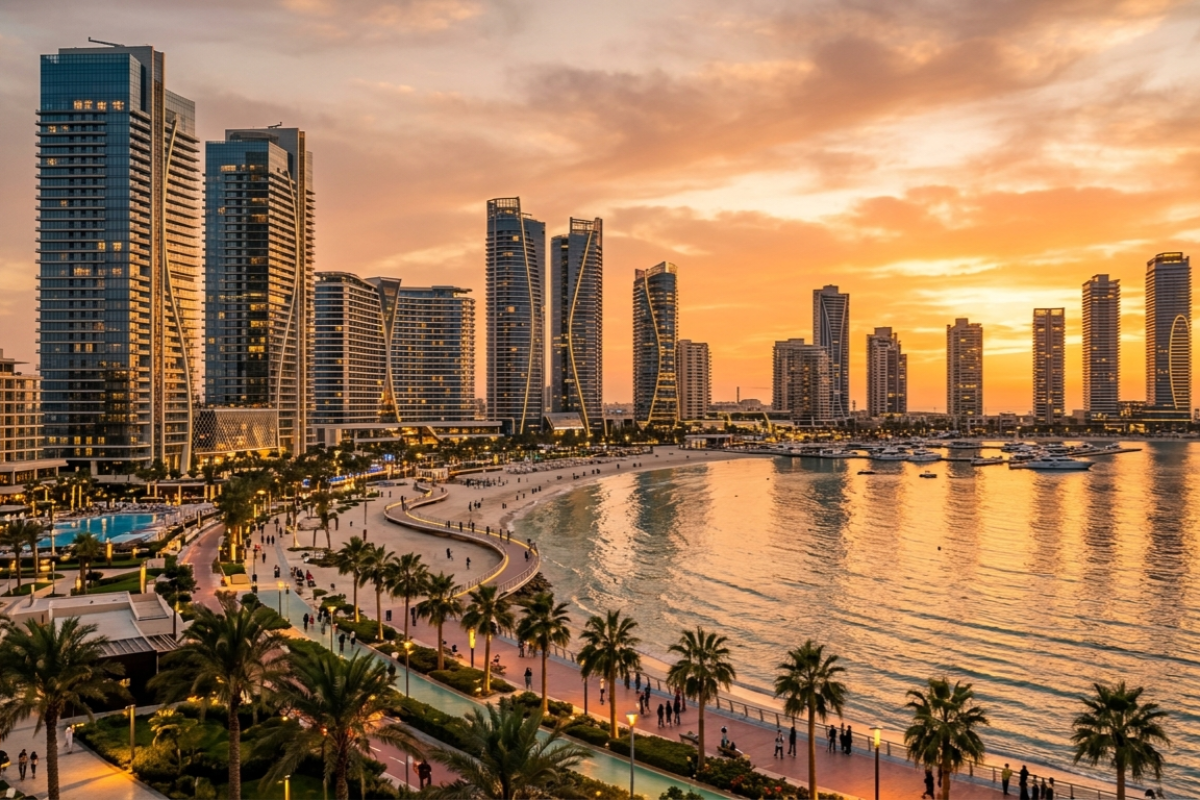
El Alamein is Egypt’s newest Mediterranean hotspot combining history, luxury resorts, and beautiful beaches — perfect for summer vacations and relaxing seaside escapes

Fishing isn’t just about catching fish. It’s meditation, excitement, silence, and a deep connection to nature. The real reward is the experience.

Explore the Heavenly Cathedral of Sharm El Sheikh, South Sinai’s most iconic church and a masterpiece of spiritual art.
Share This Post
Related Tours



Sharm El Sheikh
Ras Mohammed & White Island — From Sharm El Sheikh, enjoy a scenic boat trip! 🏝️🌊✨- 4.8 (26)